Insects and pollinators
Wasps take over plant cavities meant for ants
A study in Malaysian Borneo reveals that predatory wasps are displacing protective ant colonies from specialized tree stems across disturbed landscapes.
Reported by ScienceDaily · · 1 min read
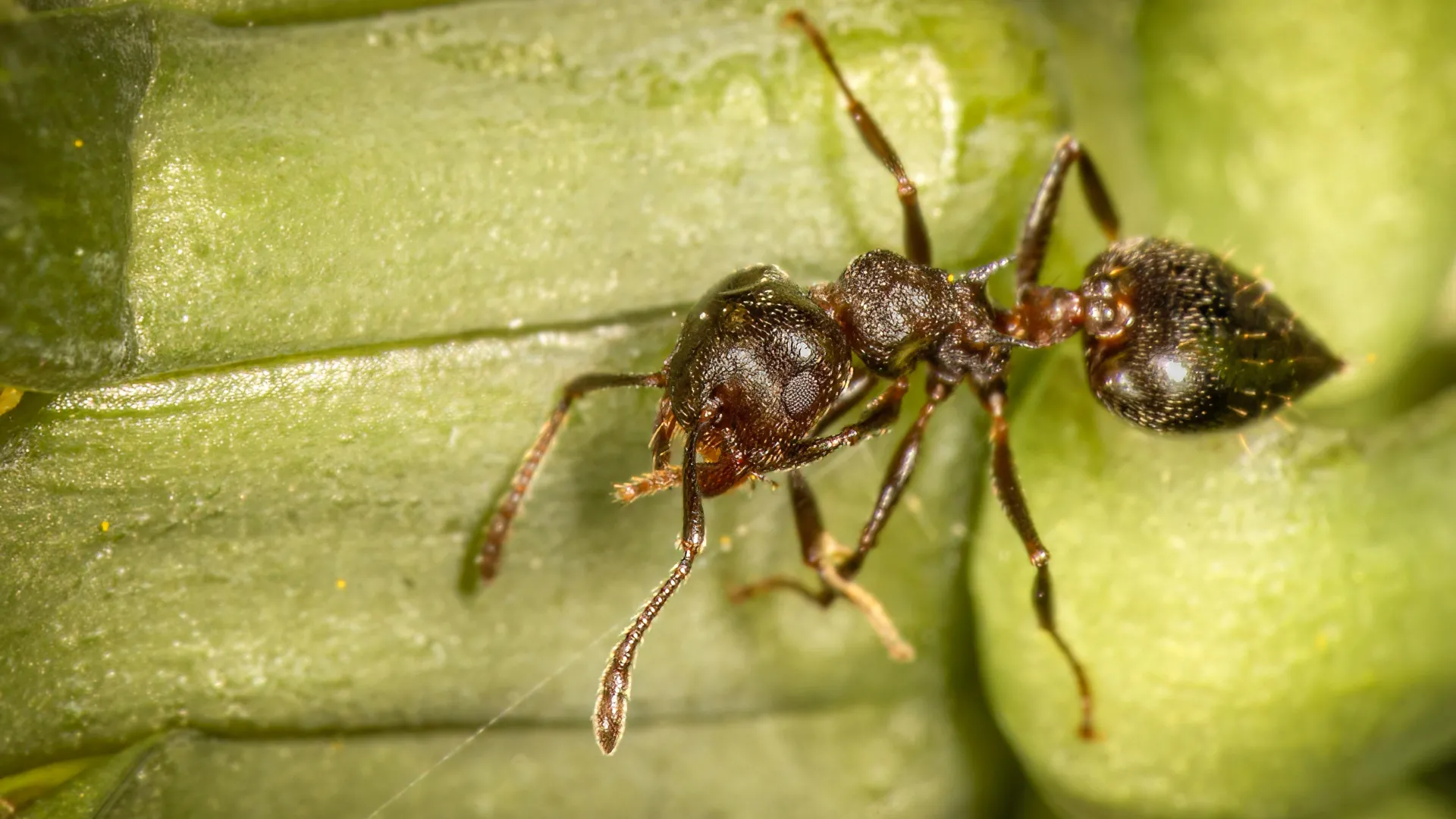
In the tropical woodlands of Malaysian Borneo, an ancient mutualistic bond is undergoing unexpected strain. Biologists studying Macaranga pearsonii trees observed that hunting wasps have begun inhabiting the hollow branches that usually provide shelter to protective ant colonies, according to research published in PeerJ.
For roughly ten million years, these specialized botanical species have maintained a cooperative alliance with ants. The flora provides internal housing alongside nutrient-rich foodstuffs. In return, resident worker ants vigorously defend the foliage against herbivorous pests like foliage-eating caterpillars.
Investigations led by institutions including Queen Mary University of London and the Royal Botanic Gardens, Kew, revealed a stark transformation. While inspecting juvenile specimens across timber-harvested woodlands and oil palm estates, scientists discovered that wasps were repurposing the internal hollows into brood chambers.
Inside the breached stems, investigators observed immobilized flies serving as fresh food for growing wasp offspring. The adults capture prey, incapacitate it, and hoard the paralyzed insects within the vegetation chambers so their larvae can feed.
Impact of altered landscapes
This disruption appeared far more prominent in agricultural settings. Flora situated inside oil palm concessions showed substantially higher rates of wasp infestation than specimens in previously logged woodland patches. Furthermore, trees harboring wasps maintained significantly diminished ant populations, indicating that the intruders might be pushing out the plant's traditional guardians.
Scientists noted that altered environments frequently trigger shifts in biological relationships. Whether this specific predatory wasp represents an indigenous insect or an imported variety remains unconfirmed, but degraded habitats appear to facilitate its expansion.
Because Macaranga trees act as vital pioneer flora on damaged ground, losing insect security could compromise their vitality and slow broader jungle recovery. Researchers cautioned that if host plants stop gaining protective advantages from creating specialized cavities, evolutionary changes could gradually unravel alliances that endured for millions of years.