Wild mammals
Grey squirrels pose growing threat to young trees
Agricultural officials in Hereford encourage control measures as invasive grey squirrels disrupt forestry and displace native red squirrels.
Reported by The Guardian · · 1 min read
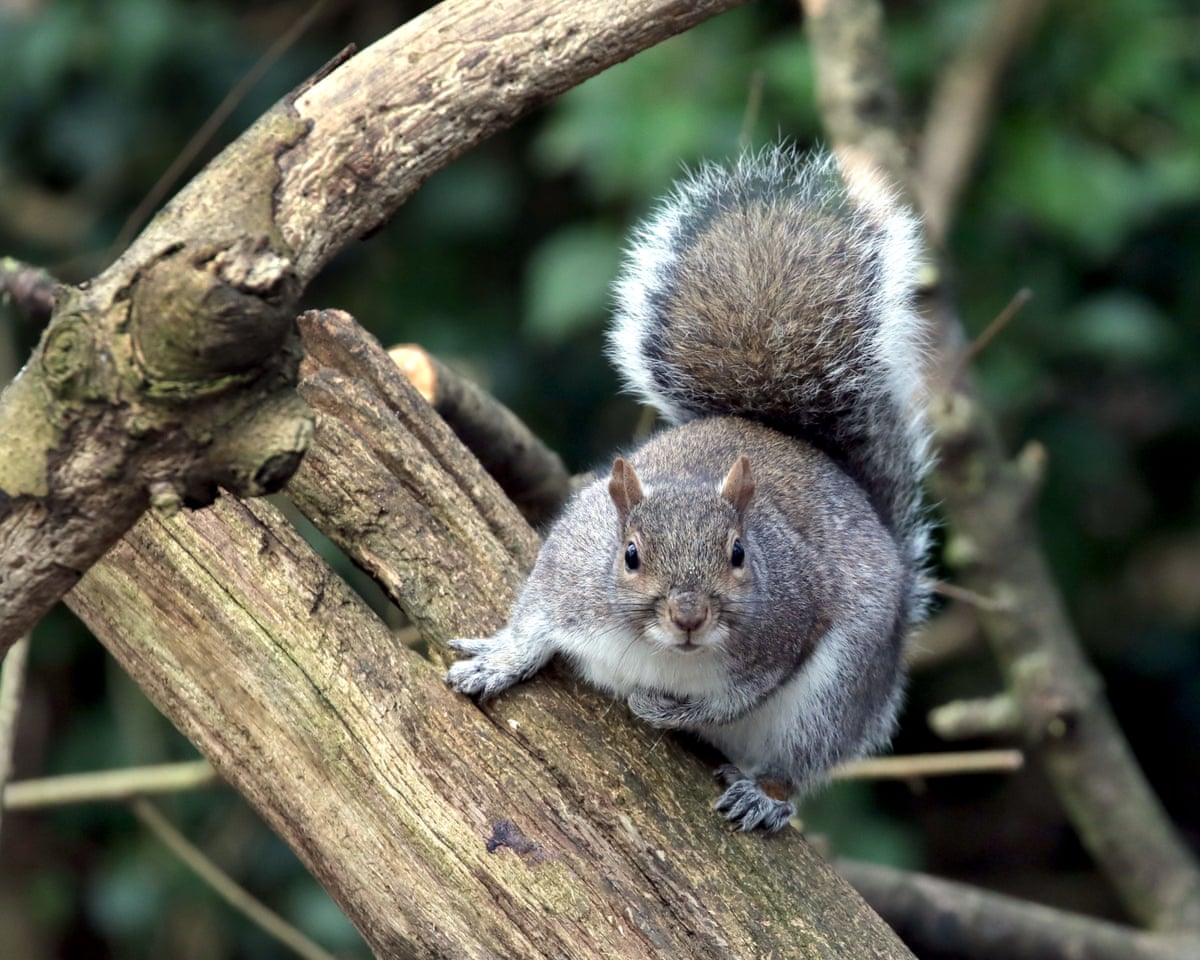
Forestry concerns are mounting across Hereford as rising populations of grey squirrels inflict notable harm on local woodlands. Observers note that the animals operate with virtually no natural predators to keep their numbers in check, leading to widespread bark damage on young trees throughout the district.
In response to the problem, the local agricultural committee introduced an incentive scheme for rural landowners. Under this program, authorities provide three cartridges in exchange for every grey squirrel tail turned in by farmers.
Despite the offered ammunition, rural workers struggle to participate effectively. Most farmers find themselves too occupied with routine farm duties to spend hours tracking the rodents or dealing in collected tails.
Displacement of native wildlife
The continuing spread of grey squirrels has also had a severe impact on indigenous wildlife. The native red squirrel has entirely vanished from the surrounding landscape, as the species routinely fails to survive once grey populations establish themselves.
Meanwhile, other countryside wildlife continues to adjust to shifting rural routines. Barn owls are frequently observed hunting for mice over mist-covered fields, although increased activity inside farm buildings and the presence of working cats have made nesting sites less accessible.
Observations also highlight insect survival tactics in the area, including stingless bumblebee moths that resemble stinging bees to deter avian predators, alongside butterflies with deceptive wing markings designed to discourage hungry birds.