Ocean life
Greenland debates a cull of its slow-growing sharks
Fishers lose hooks and catch to Greenland sharks, which can live for more than 400 years, while conservationists warn a cull could devastate the population.
Reported by The Guardian · · 1 min read
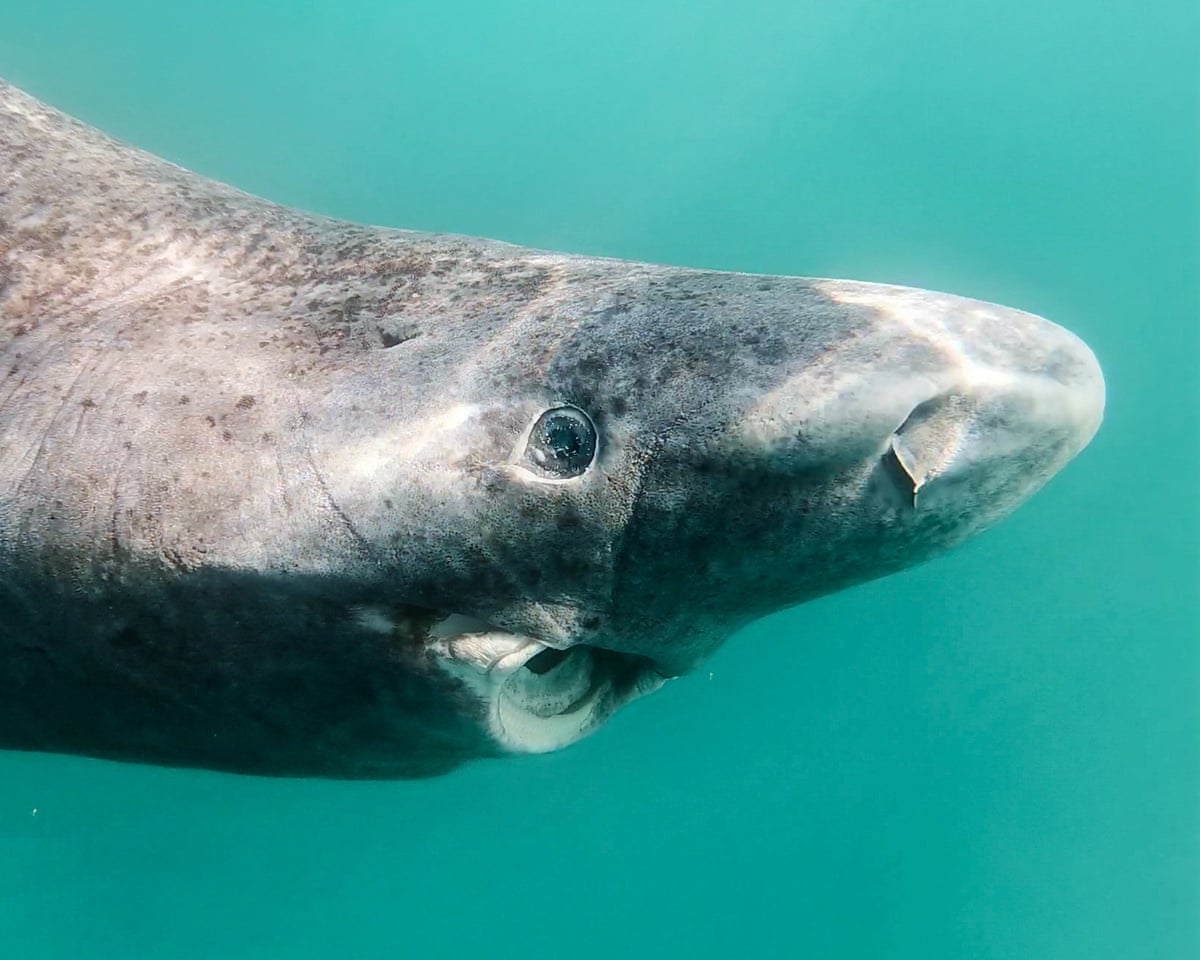
In Greenland, fishers and conservationists are at odds over what to do about the Greenland shark. Henrik Jensen, a 27-year-old who has fished for halibut out of Ilulissat for a decade, works an hour north of the town’s main iceberg fishery, which supports nearly 400 fishers. The halibut there are bigger and more plentiful, but so are the sharks. He says he has lost around 6,000 hooks this year and sometimes loses 30,000 Danish krone, about £3,440, in a single day.
When he catches a shark by accident, he says, he feeds it to his dogs rather than returning it to the water, because the sharks cut his lines and bully him.
The Greenland shark is one of the least understood animals on the planet. It is the world’s slowest shark and, after the white shark, the second-largest carnivorous shark, reaching six to seven metres in length. It can live for more than 400 years. For a long time it was thought to be completely blind.
Conservationists warn that the species reproduces only after about 150 years, so any plan to cull it could devastate the population.